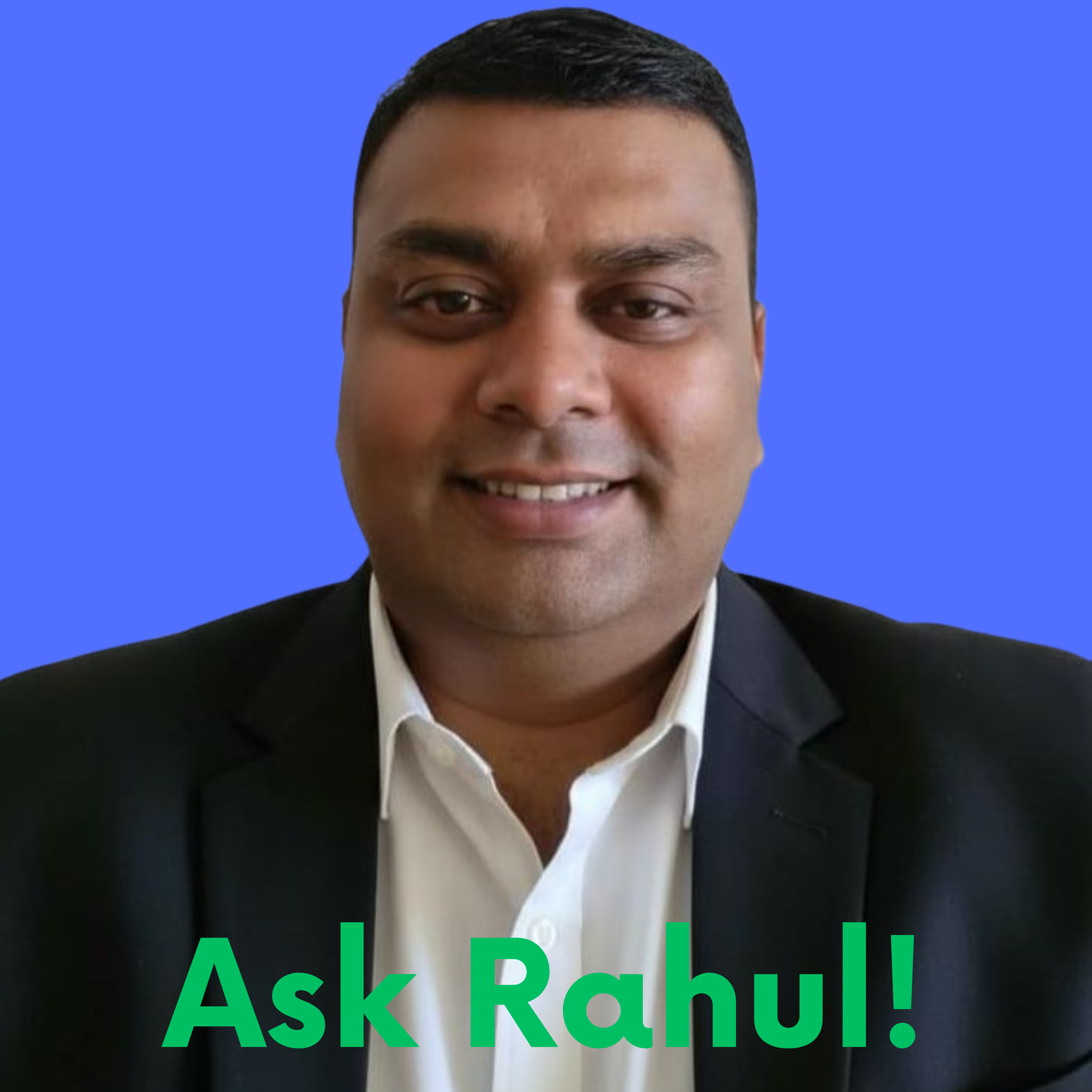
Welcome to the Digital Home of Rahul Shrivastava

Food, Books, Conversations & Stories!!

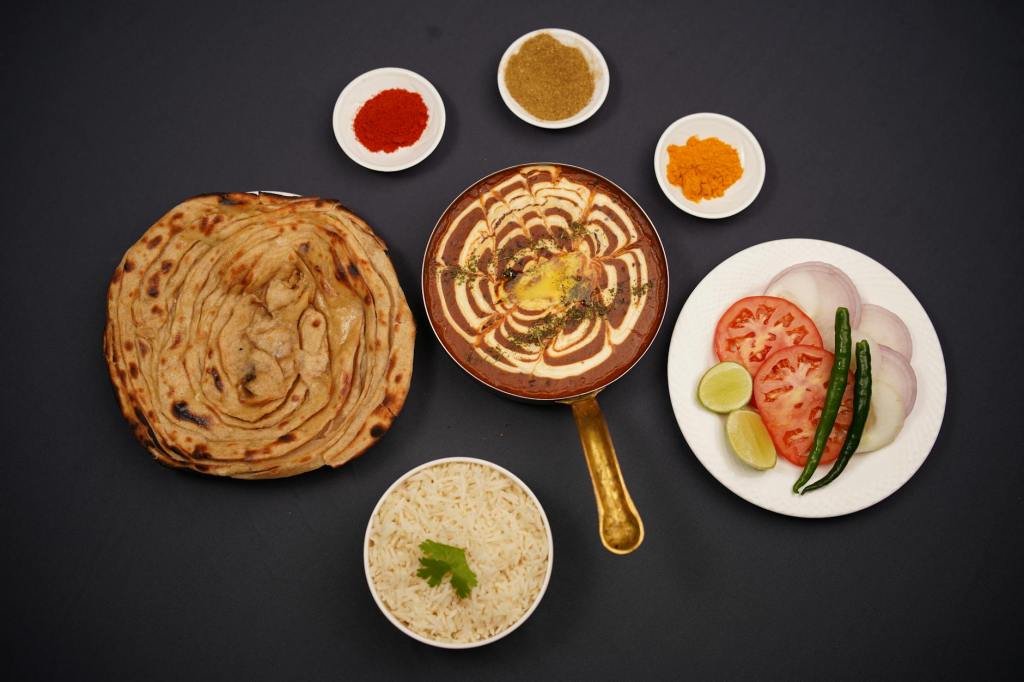
Photo by Mohsen Raei on Pexels.com

2 Power Podcasts

Where Hospitality Meets Storytelling.
Go behind the scenes of hotels, heritage forts, and homestays to discover how food and space create signature guest experiences.

Plates & Places

  • Cross-industry insights from hospitality, FMCG, and QSR perspectives
  • Actionable frameworks listeners can implement immediately
  • Authentic voice of a practicing food leader, not a generic travel blogger.

Books I Read.

  • Diverse reading categories: business, psychology, food writing, innovation, motivation
  • Authentic voice of a practicing executive, not just a book reviewer
  • Author Interviews

#17 – Restraining Order Against your "Delivered HOT food." Ask Rahul! Plates & Places

Send us Fan MailEpisode Title: Why Food Temperature Drops Before the Customer Even Opens the Bag — And Did the Warm Air File a Restraining Order Against Your Packaging?Episode Description:Forty seven minutes. That is the average time between a food order being placed and the moment a customer takes their first bite. In those forty seven minutes, your food moves from a hot kitchen through a container, into a bag, onto a motorcycle, through traffic, and onto a dining table — losing heat at every single transition, according to laws of physics that do not care about your star rating or your packaging budget.By the time that bag is opened, most food has lost between 15 and 25 degrees Celsius from its ideal serving temperature. The fat has begun to congeal. The sauce has thickened. The aromatics have flattened. And the customer — who cannot always articulate exactly why — knows something is wrong.In this episode, Rahul — chef, food engineer, and 24-year veteran of professional kitchens across three continents — breaks down exactly where the heat is going and why it is going there faster than most operators have ever measured.This episode covers the three mechanisms of heat loss — conduction, convection, and radiation — explained in plain language so that every QSR operator, cloud kitchen founder, and delivery-first brand can understand what is physically happening to their product between the hot line and the customer's first bite. It introduces the concept of thermal mass — why your biryani arrives hot and your fried chicken arrives cold even when both leave the kitchen at the same temperature — and why treating every item on your menu with identical packaging is one of the most common and most costly thermal management mistakes in food delivery.Through three real operational stories — a cloud kitchen that was packaging curry and fried chicken identically, a QSR operation losing heat in the staging area before the rider even arrived, and a restaurant owner whose packaging was fine but whose riders were carrying the bags wrong — this episode shows that the temperature problem in delivery is almost never what operators think it is. And the fix is almost always simpler, and cheaper, than they expect.Six practical solutions cover everything from matching packaging thermal specification to product thermal mass, eliminating the staging window, using double-walled containers for thermally vulnerable items, choosing reflective bag liners, tightening the delivery radius, and training riders on the one carrying protocol change that costs nothing and works immediately.Temperature management is not a packaging problem. It is a physics problem. And physics, unlike a difficult supplier or a bad review, follows rules. This episode gives you the rules.Books mentioned in this episode: On Food and Cooking — Harold McGee Food Engineering Principles and Selected Applications — Mohsenin Delivering the Goods — Food Logistics and Packaging Science ContributorsThis week's listener challenge — the Hashtag Temperature Drop Test: Place a food thermometer into your next delivery order the moment it arrives. Record the temperature at the bag surface, the food temperature on arrival, and the food temperature five minutes later. Post your three numbers on LinkedIn or Instagram with the hashtag Temperature Drop Test and tag us. The most revealing thermal decay data gets a shoutout next episode.Next episode: Why Delivery Platforms Destroy Your Food Margins — and whether the aggregator is quietly eating a bigger meal than your customer ever did.Hashtags:#PlatestoPlaces #FoodDelivery #ThermalManagement #CloudKitchen #QSROperations #FoodScience #DeliveryPackaging #FoodBusiness #TemperatureDropTest #RestaurantOperationsFood Issues Solved! Support the showFood Issues Solved! 
  1. #17 – Restraining Order Against your "Delivered HOT food."
  2. #16 – Why Fried Chicken Turns Rubbery Under Heat Lamps!
  3. #15 – Fries – Going Through an Emotional Softening Phase!
  4. #14 – Peak Hour in Kitchen & Beyond the Pass!
  5. #13 – Issues of a Burger Bun!

9. Book | Radical Candor | Kim Scott Ask Rahul! Books I Read

Send us Fan MailEpisode Title: Radical Candor – How to Be Honest Without Being BrutalEpisode Description:How many times have you held back feedback because you did not want to hurt someone's feelings? Or watched a leader tear someone down in front of the whole team and call it honesty?In this episode of Books I Read, Rahul breaks down Radical Candor by Kim Scott — a framework used by leadership teams across the world to give feedback that is direct, specific, and deeply human, all at the same time.You will learn the two axes that separate great feedback from harmful feedback, the three failure zones most Indian leaders fall into without even realising it — Ruinous Empathy, Obnoxious Aggression, and Manipulative Insincerity — and a simple four-part structure you can use in your very next feedback conversation, whether it is with a junior team member, a senior chef, or even your own manager.This episode includes real examples from food, hospitality, and QSR contexts — from addressing a waiter who is rushing guests, to giving honest feedback upward to an owner or senior leader without burning the relationship.If you have ever stayed silent about a problem for too long, or said something honest that landed badly, this episode is for you.Books I Read is a podcast for leaders in food, hospitality, business, and beyond — practical books, applied to real situations, in under five minutes.Like, follow, and share with one person on your team who either needs to hear honest feedback or needs to get better at giving it.#RadicalCandor #BooksIRead #LeadershipPodcast #FeedbackCulture #IndianLeadership #HospitalityLeadership #QSRLeadership #TeamDevelopment #ManagementSkills #LeadBetterBooks I ReadSupport the showBooks I Read
  1. 9. Book | Radical Candor | Kim Scott
  2. 8. Book | Drive | Daniel Pink
  3. 7. Book | The Coaching Habit | Michael Bungay Stanier
  4. 6. Book | Never Split the Difference | Chris Voss,
  5. 5. Book | Atomic Habits | James Clear.

Engagements

Our comprehensive suite of professional services caters to a diverse clientele, ranging from homeowners to commercial developers.

LinkedIn

Join 13,600+ professionals for daily insights on culinary innovation and leadership.

YouTube

Watch video episodes, recipe demonstrations, and culinary technique tutorials.

Substack

Read long-form articles, newsletters, and extended show notes for a deeper dive.

Instagram

Follow for a visual journey through food photography and my birding adventures in Bengaluru.

Audience & Interviews

Going beyond the page through deep-dive conversations with the thinkers and creators behind the world’s most influential books on leadership, psychology, and food.

Mentoring & Coaching

Leveraging 24 years of global leadership to help professionals and entrepreneurs bridge the gap between culinary craft and business strategy.

Thank you for subscribing!

Please check your email to confirming your subscription.

Reviews

Rating: 5 out of 5.

Rahul’s ability to translate complex business strategy into actionable culinary innovation is unmatched. His 24 years of industry experience shine through in every session.

— F&B Manager (Bangalore)

Rating: 4 out of 5.

I reached out for mentoring to bridge the gap between my culinary craft and business management. The insights were practical, immediate, and backed by authentic global expertise.

— A Budding Chef

Rating: 4 out of 5.

The ‘Ask Rahul!’ podcast has become my weekly ritual. It’s rare to find a leader who values depth over summaries, but his applied learning frameworks actually work in the real world..

— Listener(Bangalore)

Rating: 5 out of 5.

I couldn’t be happier with my connect with Rahul. The quality of my interview is outstanding, and the attention to detail is impressive. I’ll definitely be back for more!

— JA Merkel – Author (USA)